
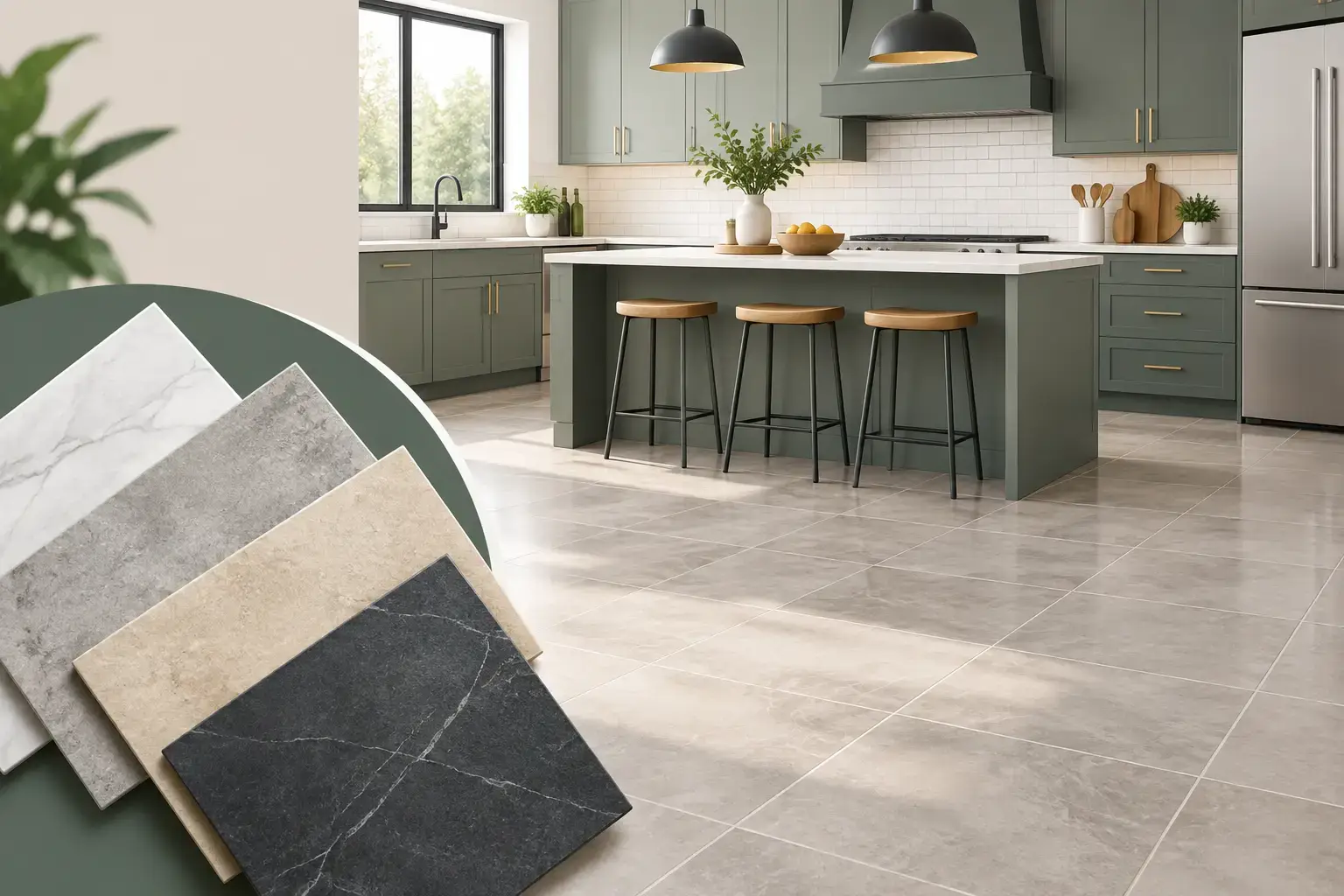
A kitchen floor has to handle more than foot traffic. It sees dropped pans, wet shoes, pet bowls, chair legs, and the regular cleanup that comes with a busy home. For most Seattle-area homeowners, the best tile for kitchen floor is porcelain because it offers the strongest combination of water resistance, durability, easy maintenance, and design flexibility.
That does not mean porcelain is the right answer in every kitchen. A material that looks great in a quiet, low-traffic space may not be the best fit for a household with children, pets, or frequent entertaining. The right choice comes down to how you use the room, the condition of the subfloor, and how much maintenance you are willing to take on over time.
Why Porcelain Is Often the Best Tile for Kitchen Floor
Porcelain tile is a type of ceramic tile made with denser clay and fired at higher temperatures. The result is a hard, low-porosity material that resists water absorption, staining, and daily wear better than many other flooring options.
In a kitchen, that matters. A small dishwasher leak, a spilled pot of pasta water, or wet boots by the back door should not create a flooring emergency. Properly installed porcelain holds up well in these situations, especially when paired with quality grout and careful preparation below the tile.
Porcelain also gives homeowners a wide range of looks. It can resemble natural stone, concrete, hardwood, or clean modern finishes without requiring the same level of care as many natural materials. Large-format porcelain tiles can make an older kitchen feel more open, while smaller tiles can add texture and grip where it is needed.
The trade-off is that porcelain is hard underfoot. It is not as warm or forgiving as luxury vinyl plank, and standing for long periods while cooking can be less comfortable. Area rugs or cushioned mats in work zones can help, but comfort is worth considering before making a final decision.
Ceramic Tile Is a Practical Budget-Friendly Option
Standard ceramic tile can be an excellent choice for a kitchen that does not receive heavy daily traffic. It is typically less expensive than porcelain, comes in a broad range of colors and styles, and is easy to clean when installed correctly.
The key difference is density. Ceramic tile is generally more porous and somewhat less resistant to chips and impact than porcelain. For a lightly used kitchen, a condo, or a budget-conscious refresh before selling a home, ceramic can make sense. In a busy family kitchen, porcelain is usually the safer long-term investment.
If you choose ceramic, look for floor-rated tile rather than wall tile. Floor-rated products are manufactured to handle weight, traffic, and the occasional dropped dish. A tile may look suitable in a showroom but still be a poor choice if it is not designed for flooring.
Natural Stone Brings Character but Needs More Care
Stone floors have a look that tile designed to imitate stone cannot fully duplicate. Slate, travertine, marble, and limestone each bring natural variation in color and texture. For homeowners creating a traditional, rustic, or high-end kitchen, that character can be a major draw.
Stone also has real maintenance requirements. Most natural stone should be sealed, and sealing needs to be repeated over time. Acidic spills from lemon juice, vinegar, wine, or certain cleaning products can damage or dull some stones, particularly marble and limestone. Natural clefts and textured finishes may also collect dirt more readily than a smooth porcelain surface.
Slate is one of the more practical stone options for kitchens because it is naturally textured, durable, and slip-resistant. Marble offers a striking appearance but can etch and stain, which makes it better for homeowners who are comfortable with a lived-in patina. Travertine can work beautifully, though its natural holes and texture require thoughtful sealing and cleaning.
Natural stone is not a poor choice. It is a choice that requires realistic expectations and a commitment to maintenance. If you want the stone look with easier care, a quality porcelain stone-look tile is often the more practical path.
Choose a Finish That Is Safe for a Working Kitchen
A tile's surface finish matters as much as its material. Highly polished tile reflects light beautifully and can make a kitchen feel brighter, but it may become slippery when wet. It can also show smudges, water spots, and scratches more easily than a matte or lightly textured finish.
For most kitchens, a matte, satin, or textured porcelain tile provides better everyday performance. These finishes offer more grip without looking overly rough, and they tend to hide normal household wear better. This is particularly useful near sinks, exterior doors, and islands where people regularly stand and move around.
Very textured tile can create a different problem: harder cleaning. Deep grooves and uneven surfaces can trap grease and dirt. The goal is a finish with enough texture for traction but not so much that routine mopping becomes frustrating.
Tile Size Changes the Look and the Grout Maintenance
Large-format tile, such as 12-by-24-inch or larger pieces, is popular because it creates fewer grout lines and gives the floor a cleaner, more continuous appearance. It is a strong option for open kitchens, modern remodels, and spaces where homeowners want the floor to feel less busy.
However, larger tile requires a very flat, well-prepared subfloor. Even a durable tile can crack if the surface below it has uneven areas or movement. Installation quality is not a detail to overlook. Proper layout, leveling, thinset coverage, and movement joints are what allow a tiled floor to perform as intended.
Smaller tiles create more grout lines, which can add visual interest and improve traction. They are also useful in kitchens with many corners, transitions, or irregular layouts. The trade-off is more grout to clean and maintain.
Do Not Treat Grout as an Afterthought
Grout affects both the final appearance and the upkeep of a kitchen tile floor. Bright white grout against a light tile can look crisp at first, but it may show cooking spills and traffic patterns quickly. A mid-tone or slightly darker grout is often more forgiving in active kitchens.
Many homeowners prefer a close grout match for a quieter, more continuous floor. Others choose contrast to emphasize a pattern or tile shape. Both approaches can work, but practical use should guide the decision. Consider where people enter the kitchen, whether children or pets are in the home, and how often the floor will be cleaned.
A quality grout sealer can help reduce staining, though not every grout type needs the same treatment. Epoxy grout offers excellent stain resistance but can cost more and requires experienced installation. Cement-based grout is common and effective when properly installed and maintained.
Plan for the Floor Beneath the Tile
The best tile can still fail if the subfloor is not ready. Tile needs a stable, flat base with the right underlayment and structural support. Wood subfloors can move with seasonal changes, and older homes may have uneven framing or previous flooring layers that need to be addressed before installation begins.
This preparation is especially relevant in the Seattle area, where many homes have older construction and kitchens that have been remodeled more than once. Covering a problem rather than correcting it can lead to cracked grout, loose tiles, or uneven transitions at doorways and adjoining rooms.
Before selecting materials, have the existing floor evaluated. A professional installer can identify moisture concerns, floor height issues, damaged subflooring, and the right preparation method for the tile size you want. That early planning protects the investment and helps avoid surprises once work begins.
When Another Flooring Material May Be Better
Tile is not automatically the best fit for every kitchen. Luxury vinyl plank may be a better choice when warmth underfoot, lower installation cost, or continuity with adjacent living spaces is the priority. It is also quieter and more forgiving if glassware is dropped.
Hardwood brings warmth and can connect the kitchen to the rest of the home, but it is more vulnerable to water and dents. Laminate can be cost-effective, though its performance depends heavily on the product and how well moisture is managed. Each option has a place, which is why the best decision starts with how your kitchen actually functions rather than a trend photo.
For homeowners who want a floor built for water resistance, heavy use, and long-term visual appeal, porcelain remains hard to beat. Black Rock Remodeling helps homeowners compare practical flooring options, prepare the surface correctly, and finish kitchen projects with the care that durable results require.
A kitchen floor should make daily life easier, not give you another surface to worry about. Choose a tile that fits your household, invest in proper preparation, and select a finish you will be happy to clean and live with for years.